
You’ve built a beautiful website for your business. The problem? It feels like a shop with no sign on a deserted street, leaving you to wonder why it isn’t attracting the customers you know are out there.
Every day, potential clients are searching online for the exact services you offer, but they’re finding your competitors instead. This is often the core reason why my website is not ranking on Google—it’s simply not visible to the people who are ready to buy. Your business has a digital address, but nobody has the directions to get there.
What if you could put up a giant, guiding sign on the Google highway? That’s exactly what search engine optimization (SEO) does. It’s the process of making your website the most relevant and trustworthy answer for what your customers are looking for, so search engines show it to them first, for free.
This isn’t about a secret trick; it’s about building a bridge from your customers’ needs directly to your digital doorstep. With the right organic SEO services, you can stop being invisible and start being found, turning your website into your most powerful tool for growth.
Renting vs. Owning Your Spot on Google: Organic Search vs. Paid Search
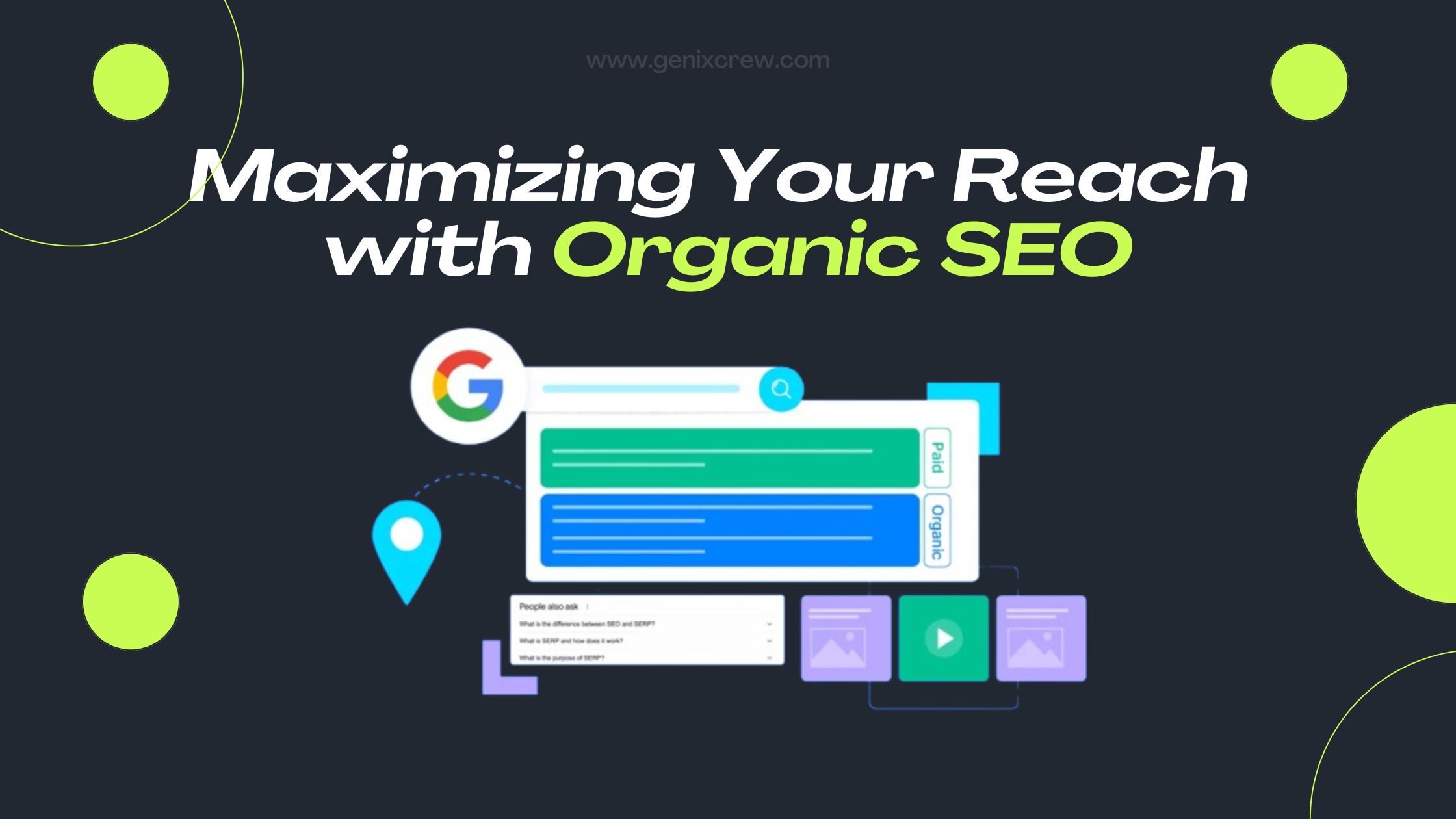
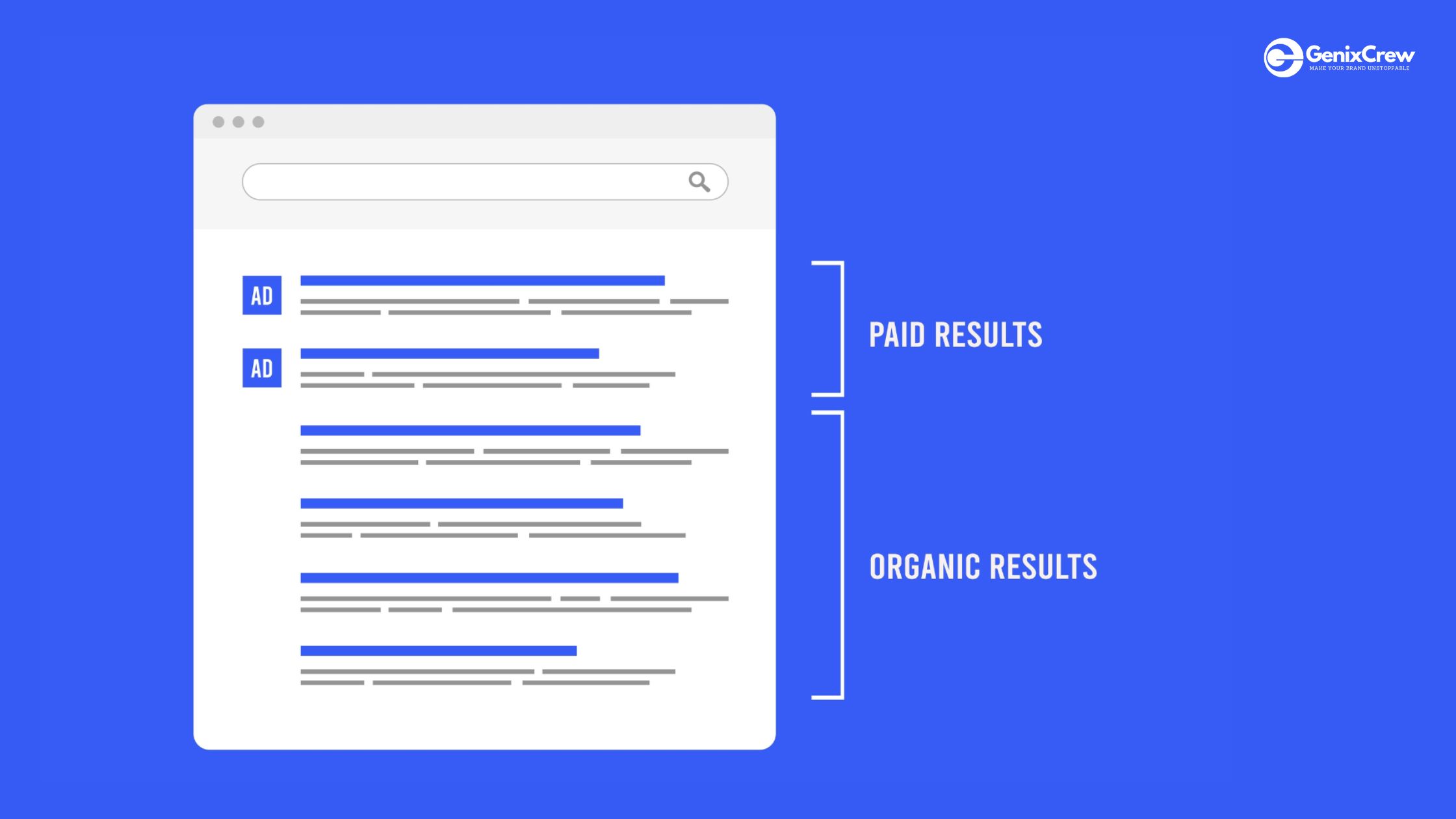
When you type something into Google, you’ve probably noticed two different kinds of results. At the very top, you’ll often see a few listings marked with a “Sponsored” tag. Below those, the main list of results begins. Understanding the difference between these two is the first step in mastering your online presence. Think of it as the difference between renting a storefront and owning your own building.
The sponsored listings are Paid Search. In this model, businesses pay Google to place their website at the top for specific searches. Every time someone clicks that link, the business pays a fee. It’s a fast way to get in front of customers, but it works just like rent: the moment you stop paying, your visibility vanishes completely.
In contrast, the main, non-sponsored listings are the Organic Results. You can’t buy your way into these spots. Instead, you earn them over time through a process called search engine optimization (SEO). By consistently proving to Google that your website is a relevant, high-quality, and trustworthy resource for what people are looking for, you build a stable position. This is like investing in your own property; it takes effort, but it becomes a valuable asset for your business.
While paid ads can be useful for short-term promotions, studies consistently show that users trust and click on organic results more often. They see these earned placements as a vote of confidence—a sign of a credible, established business. This is why focusing on your organic presence is so powerful. You aren’t just paying for temporary traffic; you’re building a sustainable source of customers that will serve you for years to come.
Making Your Website a Welcoming Store: The Power of On-Page SEO
Now that you know the value of earning your spot on Google, how do you actually do it? The first part of the answer lies on your website itself. This is called On-Page SEO, and it’s all about making your site’s purpose obvious to both visitors and search engines. Imagine your website is a physical store; On-Page SEO is the clear signage and organized aisles that guide customers to exactly what they need, helping them feel confident they’re in the right place.
A critical piece of this is your page’s Title. This isn’t a headline on the page itself, but the text that appears in the browser tab and as the main blue link in Google’s search results. If your homepage title just says “Home,” it’s like a beautiful storefront with a blank sign out front. A descriptive title, like “Evergreen Plumbing | 24/7 Emergency Services in Denver,” instantly tells Google and potential customers what you do and where you do it, making you far more likely to appear for relevant searches.
You can spot a major On-Page SEO mistake in 30 seconds. Go to your website’s homepage and look at the text in the browser tab. If it’s generic, you’ve just found a huge opportunity for improvement. Of course, getting your own store in order is only half the battle. Your website also needs a great reputation around town to truly succeed. This is where Off-Page SEO comes in.
Building Your Reputation Around Town: What is Off-Page SEO?
While On-Page SEO gets your own digital house in order, Off-Page SEO is all about building your reputation across the wider internet. Think of it this way: having a clean, well-organized store is fantastic, but it’s even better when other respected people and businesses in your community are telling customers to visit you. Off-Page SEO is about what the rest of the web says about your business, not what you say about yourself. It’s the digital equivalent of word-of-mouth marketing.
The most powerful form of this digital word-of-mouth is a backlink. A backlink is simply a link from another website to yours. Imagine the local newspaper writes an article about the best bakeries in the city and includes a link to your website—that’s a huge vote of confidence. Each of these links from other sites acts as a recommendation, telling Google that your business is legitimate, relevant, and trustworthy.
Google’s goal is to provide its users with the most credible results. When it sees that respected websites are linking to you, it takes that as strong evidence that you are an authority in your field. This earned trust is what helps you climb the search rankings over time. But even a great reputation and a perfect storefront are useless if the building’s foundation is cracked, which is why the technical side of your site is also essential.
Ensuring a Solid Foundation: Why Technical SEO Is a Must
Your website can have beautiful content and a stellar reputation, but if it’s built on a shaky foundation, customers will never get to see it. This is where Technical SEO comes in. Think of it as the plumbing, wiring, and structural integrity of your digital storefront. It’s the behind-the-scenes work that ensures your website is easy for both Google and your visitors to use. Without a solid technical setup, search engines may struggle to find, understand, or even access your pages.
For your visitors, the most noticeable parts of technical health are site speed and mobile-friendliness. Have you ever clicked on a website and immediately left because it took too long to load? Your potential customers do the same. A slow website costs you sales. Similarly, with more customers searching on their phones than ever before, a site that’s clunky or hard to read on a small screen is effectively turning away business, a critical failure for any modern local SEO strategies for small businesses.
A poor technical setup can make all your other marketing efforts worthless. If you’ve ever wondered, “why my website is not ranking on Google?”, a hidden technical issue is often the silent culprit. Fixing these problems ensures that your investment in great content and a strong reputation actually pays off. But managing this technical foundation, alongside your on-page content and off-page reputation, is a complex job that requires constant attention.
So, What Do SEO Companies Actually Do?
Managing all three SEO pillars—your content, reputation, and technical foundation—is a full-time job. So, what do SEO companies actually do? In short, they act as the expert manager for your website’s presence on Google, combining all these elements into a cohesive strategy designed to attract more customers. These organic SEO services are not a one-time fix but an ongoing process of improvement.
Everything starts with understanding what your customers are actually searching for. This is where the importance of keyword research in SEO comes in. Think of keywords as the signs above the aisles in a grocery store. If someone is looking for “emergency plumber in Dallas,” you want to be the business Google points them to. An SEO expert finds the most valuable “aisle signs” for your business to target.
From there, a good provider offering ongoing or SEO consulting services will work on a cycle of activities that address all three pillars. This almost always includes:
- Researching the best search terms (‘keywords’) your customers use.
- Creating helpful content (like blog posts or guides) based on those keywords.
- Improving your website’s speed and mobile experience.
- Earning recommendations (‘backlinks’) from other trusted websites.
This is why SEO is a partnership, not a magic button. A reputable agency focuses on building a real, valuable asset for your business over time by consistently improving your site’s content, authority, and user experience. It’s a marathon of steady progress, not a sprint to a temporary finish line.
Why Good SEO Takes Time (And How to Spot Early Success)
One of the first questions business owners ask is, “So, how long does SEO take to show results?” The honest answer is that it’s a process, not a flip of a switch. Think of it like building a reputation in a new town. You don’t become the most trusted expert overnight; you earn that trust over time through consistent, high-quality work. Google’s algorithm works much the same way, rewarding websites that prove their value and authority over several months.
For most businesses using organic SEO services, you should expect to see significant, needle-moving results within 6 to 12 months. The first few months are dedicated to building a solid foundation—fixing technical issues, researching keywords, and publishing initial content. This foundational work is critical, even if it doesn’t immediately send a flood of new visitors to your site. It’s the essential groundwork for future growth.
Before you start competing for those big, popular search terms, you’ll notice smaller wins. These are the early signs that your strategy is working. For example, a roofer might start getting calls from people searching for “emergency tile roof repair in Scottsdale” long before they rank for the highly competitive term “Phoenix roofer.” Spotting these early rankings for more specific phrases is a key indicator that momentum is building in the right direction.
This steady, compounding growth is one of the greatest benefits of a long-term SEO strategy. You’re not just renting a temporary ad spot; you are building a valuable business asset that will generate leads for years to come. While watching your rankings climb is exciting, the true measure of success is how it impacts your bottom line.
Beyond Rankings: How to Measure the Real-World ROI of SEO
Hitting the number one spot on Google feels fantastic, but it doesn’t always pay the bills. If you rank for a search term no one actually uses, it’s like having a beautiful storefront on an empty street. This is why a good SEO strategy looks beyond rankings alone. The real goal isn’t just to be seen by more people; it’s to be chosen by more of the right customers.
Instead, the true success of your SEO is measured by “conversions.” A conversion is any valuable action a visitor takes on your website—like calling your business, filling out your contact form, or buying a product. These actions are your Key Performance Indicators (KPIs), the specific numbers that prove your business is actually growing from the increased visibility.
This brings us to the most important question: what is your Return on Investment (ROI)? Measuring the ROI of SEO efforts means asking, “For every dollar I spend on SEO, how many dollars in new business am I getting back?” If a few new leads from your website each month turn into a major project or a loyal customer, your investment is clearly paying off.
This is the core value of professional organic SEO services. A great SEO partner understands their job isn’t just to chase rankings, but to drive measurable results that directly impact your bottom line. When you know what to measure, you can confidently invest in a strategy that turns online traffic into real-world growth.
Your Next Step: Finding the Right SEO Partner for Your Growth
Understanding SEO is the first step. At its core, it’s about making your website clear for Google, reputable in your industry, and easy for customers to use. With this knowledge, you are equipped to turn your website into a powerful tool for growth.
Your first action is to have a confident conversation. When you’re ready to explore SEO consulting services, use these questions as your guide to finding a true partner.
5 Questions to Ask Any Potential SEO Agency:
- Can you show me a case study for a business like mine?
- How, specifically, will you measure success for my business?
- Can you explain your proposed strategy in simple terms?
- What will communication and reporting look like each month?
- What do you need from my team and me to make this a success?
Finding the right SEO agency is no longer about buying a secret formula you don’t understand. It’s about hiring a collaborator who can clearly explain how they’ll connect your business with the customers searching for you. You now have everything you need to make the right choice.