
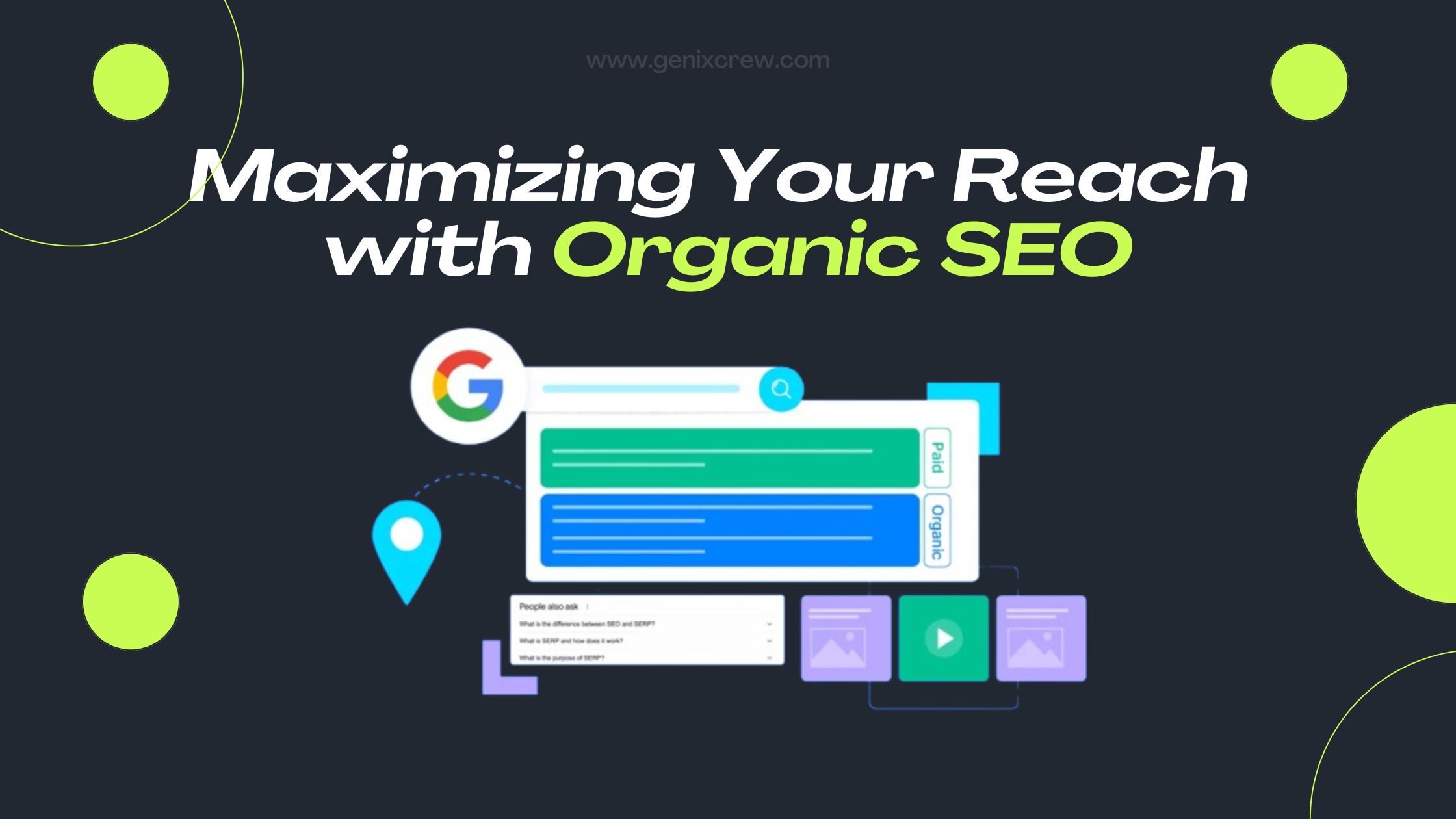
You’ve built a beautiful website for your business. The problem? It feels like a shop with no sign on a deserted street, leaving you to wonder why it isn’t attracting the customers you know are out there. Every day, potential clients are searching online for the exact services you offer, but they’re finding your competitors instead. This is often the core reason why my website is not ranking on Google—it’s simply not visible to the people who are ready to buy. Your business has a digital address, but nobody has the directions to get there. What if you could put up a giant, guiding sign on the Google highway? That’s exactly what search engine optimization (SEO) does. It’s the process of making your website the most relevant and trustworthy answer for what your customers are looking for, so search engines show it to them first, for free. This isn’t about a secret trick; it’s about building a bridge from your customers’ needs directly to your digital doorstep. With the right organic SEO services, you can stop being invisible and start being found, turning your website into your most powerful tool for growth. Renting vs. Owning Your Spot on Google: Organic Search vs. Paid Search When you type something into Google, you’ve probably noticed two different kinds of results. At the very top, you’ll often see a few listings marked with a “Sponsored” tag. Below those, the main list of results begins. Understanding the difference between these two is the first step in mastering your online presence. Think of it as the difference between renting a storefront and owning your own building. The sponsored listings are Paid Search. In this model, businesses pay Google to place their website at the top for specific searches. Every time someone clicks that link, the business pays a fee. It’s a fast way to get in front of customers, but it works just like rent: the moment you stop paying, your visibility vanishes completely. In contrast, the main, non-sponsored listings are the Organic Results. You can’t buy your way into these spots. Instead, you earn them over time through a process called search engine optimization (SEO). By consistently proving to Google that your website is a relevant, high-quality, and trustworthy resource for what people are looking for, you build a stable position. This is like investing in your own property; it takes effort, but it becomes a valuable asset for your business. While paid ads can be useful for short-term promotions, studies consistently show that users trust and click on organic results more often. They see these earned placements as a vote of confidence—a sign of a credible, established business. This is why focusing on your organic presence is so powerful. You aren’t just paying for temporary traffic; you’re building a sustainable source of customers that will serve you for years to come. Making Your Website a Welcoming Store: The Power of On-Page SEO Now that you know the value of earning your spot on Google, how do you actually do it? The first part of the answer lies on your website itself. This is called On-Page SEO, and it’s all about making your site’s purpose obvious to both visitors and search engines. Imagine your website is a physical store; On-Page SEO is the clear signage and organized aisles that guide customers to exactly what they need, helping them feel confident they’re in the right place. A critical piece of this is your page’s Title. This isn’t a headline on the page itself, but the text that appears in the browser tab and as the main blue link in Google’s search results. If your homepage title just says “Home,” it’s like a beautiful storefront with a blank sign out front. A descriptive title, like “Evergreen Plumbing | 24/7 Emergency Services in Denver,” instantly tells Google and potential customers what you do and where you do it, making you far more likely to appear for relevant searches. You can spot a major On-Page SEO mistake in 30 seconds. Go to your website’s homepage and look at the text in the browser tab. If it’s generic, you’ve just found a huge opportunity for improvement. Of course, getting your own store in order is only half the battle. Your website also needs a great reputation around town to truly succeed. This is where Off-Page SEO comes in. Building Your Reputation Around Town: What is Off-Page SEO? While On-Page SEO gets your own digital house in order, Off-Page SEO is all about building your reputation across the wider internet. Think of it this way: having a clean, well-organized store is fantastic, but it’s even better when other respected people and businesses in your community are telling customers to visit you. Off-Page SEO is about what the rest of the web says about your business, not what you say about yourself. It’s the digital equivalent of word-of-mouth marketing. The most powerful form of this digital word-of-mouth is a backlink. A backlink is simply a link from another website to yours. Imagine the local newspaper writes an article about the best bakeries in the city and includes a link to your website—that’s a huge vote of confidence. Each of these links from other sites acts as a recommendation, telling Google that your business is legitimate, relevant, and trustworthy. Google’s goal is to provide its users with the most credible results. When it sees that respected websites are linking to you, it takes that as strong evidence that you are an authority in your field. This earned trust is what helps you climb the search rankings over time. But even a great reputation and a perfect storefront are useless if the building’s foundation is cracked, which is why the technical side of your site is also essential. Ensuring a Solid Foundation: Why Technical SEO Is a Must Your website can have beautiful content and a stellar reputation, but if it’s built on a shaky foundation, customers will never get to see