
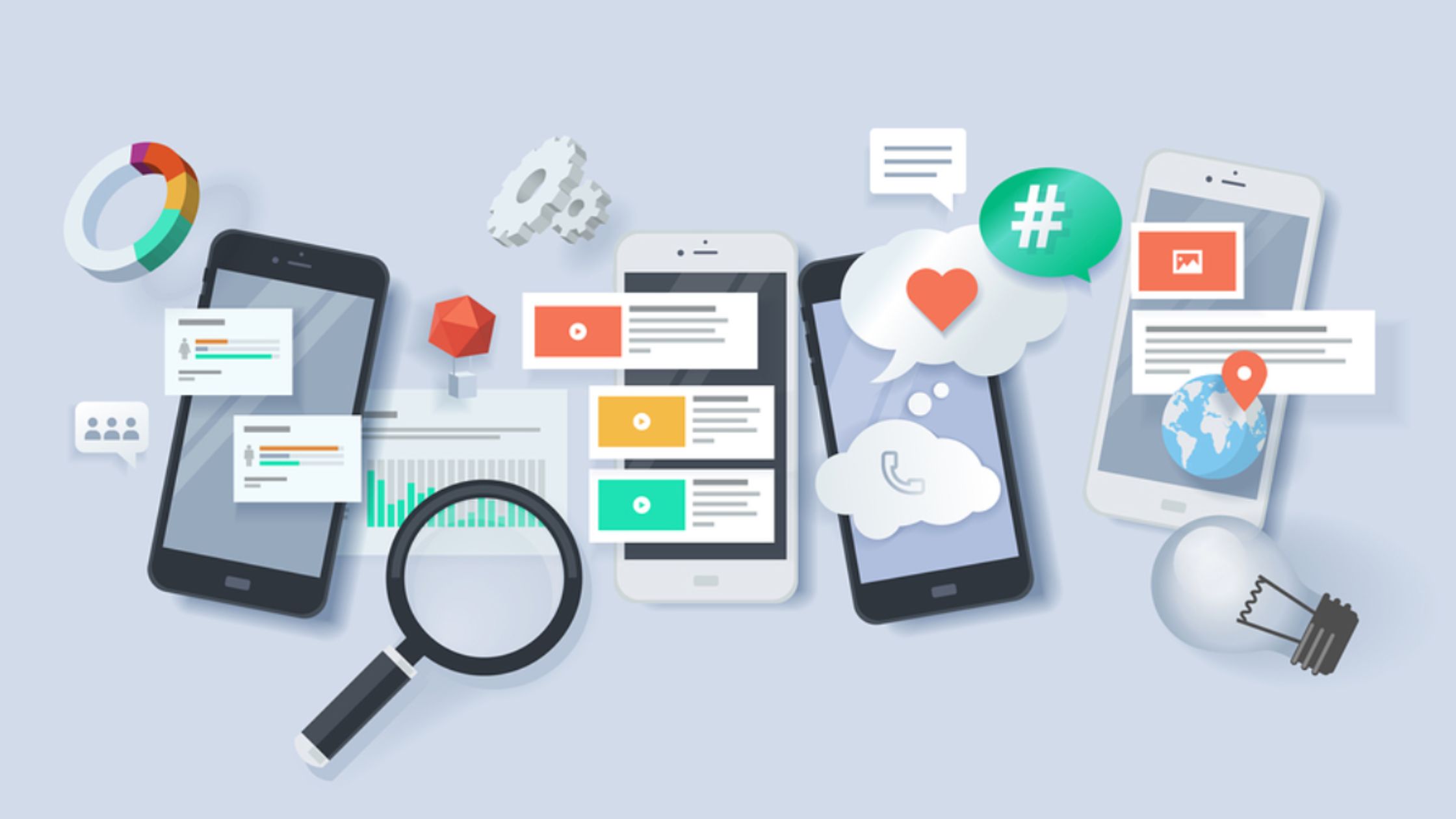
In 2025, mobile devices are more than just a way to communicate—they’ve become a vital part of our daily lives. With smartphones and tablets making up the majority of internet traffic, businesses can no longer afford to overlook the significance of mobile marketing. A mobile-first marketing strategy is no longer a luxury but a necessity for any business aiming to stay competitive and relevant in today’s digital landscape. Here’s why every business needs a mobile-first marketing strategy in 2025: 1. The Shift Toward Mobile Usage With over 5 billion mobile phone users globally, mobile devices have become the primary way people access the internet. Studies show that over 70% of digital traffic now comes from mobile phones, a trend that has only accelerated since the onset of the pandemic. As mobile usage continues to rise, businesses must ensure their websites, emails, and advertisements are optimized for mobile users to avoid losing potential customers. 2. Improved User Experience (UX) and Convenience Mobile-first strategies focus on providing an exceptional user experience (UX) for customers accessing your website or content through mobile devices. The goal is to streamline navigation, simplify design, and ensure fast loading times, which are crucial for mobile users who expect instant access. A mobile-first design improves: Faster Loading Speeds: Slow-loading pages can result in high bounce rates. Mobile-first websites are built to load quickly on mobile devices, ensuring users stay engaged. Simplified Navigation: Mobile screens are smaller, so designing a website or app with clear, easy-to-navigate layouts ensures users can easily find what they need. Optimized Content: With mobile-first marketing, content is often presented in a more concise and accessible format that’s perfect for the mobile screen. By focusing on mobile-first design, businesses can create a seamless, enjoyable experience for their customers, which ultimately increases conversions and customer satisfaction. 3. Higher Conversion Rates As consumers increasingly shop and engage on mobile devices, businesses need to tailor their marketing strategies to drive conversions on smartphones and tablets. A mobile-optimized experience, from product discovery to checkout, plays a significant role in boosting sales. Mobile-Optimized E-Commerce: With over 70% of e-commerce sales in 2025 projected to come from mobile shopping, businesses that fail to provide a seamless mobile shopping experience are leaving money on the table. Streamlined Checkout Process: A mobile-first design focuses on simplifying the purchasing process by minimizing steps, reducing form fields, and supporting mobile wallets, which can boost conversion rates. 4. Mobile Search and Local SEO Google’s algorithm now prioritizes mobile-friendly websites, making it crucial for businesses to optimize their sites for mobile searches. Since over 60% of searches are done on mobile devices, a mobile-first strategy is essential to ensure your business appears in local search results when consumers are looking for products or services nearby. Google’s Mobile-First Indexing: Google’s mobile-first indexing means that Google primarily uses the mobile version of a website for ranking and indexing. If your website isn’t mobile-optimized, you risk losing visibility in search results. Local SEO: Mobile devices are often used for local searches, such as “near me” queries. Optimizing for local SEO ensures your business appears when nearby customers are searching for services or products you offer. By adopting a mobile-first approach, your business can improve its search engine ranking and visibility among local customers. 5. The Rise of Social Media and Mobile Advertising Social media platforms like Instagram, Facebook, and TikTok have become essential parts of digital marketing, with over 80% of social media engagement taking place on mobile devices. To effectively market your products and services, you need to craft ads and content that resonate with mobile users. Mobile-Friendly Ads: Social media ads and content should be designed to look great on mobile devices, with eye-catching visuals, concise copy, and a clear call to action (CTA). In-App Advertising: Many mobile users spend their time on apps, making in-app advertising a critical part of a mobile-first marketing strategy. By utilizing in-app ad networks, businesses can increase brand visibility and drive mobile conversions. Mobile advertising allows businesses to reach consumers directly, anytime and anywhere, ensuring your brand stays top of mind. 6. Mobile Email Marketing Email marketing remains one of the most effective channels for businesses, but a mobile-first approach is necessary to ensure emails are opened and read. With over 50% of emails now being opened on mobile devices, businesses need to optimize their email campaigns for mobile users. Here’s how: Responsive Email Design: Ensure your emails look great on all mobile devices, from smartphones to tablets. This includes easy-to-read fonts, buttons that are easy to tap, and images that load quickly. Concise and Actionable Content: Mobile users tend to skim emails, so make sure your messages are clear, concise, and include a direct CTA, like “Shop Now” or “Learn More.” Mobile-Friendly Landing Pages: Ensure that any landing pages linked to from your emails are optimized for mobile users, offering a smooth transition from email to website. 7. The Growing Importance of Voice Search With the popularity of voice-activated assistants like Siri, Alexa, and Google Assistant, voice search is quickly becoming a key component of mobile-first marketing. Consumers use voice search to find information, shop online, and get directions, making it vital for businesses to optimize their content for voice queries. Conversational Keywords: Voice search queries are more natural and conversational, so businesses must adjust their SEO strategy to target phrases people speak rather than just type. Local Voice Search: Many voice searches are local, so optimizing for local voice search can help your business appear when customers use voice assistants to find services near them. A mobile-first strategy should include optimizing for voice search to ensure your business remains accessible to voice-first users. 8. Better Analytics and Insights A mobile-first strategy enables businesses to collect more accurate and actionable data about how users engage with your website and marketing materials. Mobile analytics tools can provide insights into: User Behavior: Track how mobile users interact with your website or app, which features they use, and where they drop off in
The Importance of Mobile App Marketing in 2026
In 2025, mobile apps have become far more than just tools; they are central to our daily routines. Whether it’s for shopping, entertainment, productivity, or communication, mobile apps have permeated every aspect of our lives. For businesses, this presents both immense opportunities and tough challenges. With millions of apps flooding app stores, standing out and attracting users has never been more competitive. This is where mobile app marketing comes into play. As the mobile app landscape continues to evolve, mobile app marketing is becoming even more critical. Here’s why it is more important than ever in 2025. 1. The Growing Mobile User Base As of 2025, there are over 7 billion smartphone users worldwide, and the number is only continuing to grow. Mobile apps are increasingly becoming the platform of choice, with people spending an average of 4-5 hours per day on their devices. For businesses, this presents a vast and growing audience that can be tapped into. With such a large pool of potential customers, app marketing is no longer optional. Without a solid marketing strategy, your app risks getting lost in the sea of competition, despite the growing number of mobile users. 2. Increased Competition in the App Marketplace The app marketplace has only become more competitive. In 2025, there are over 8 million apps available across iOS and Android stores. The increased number of apps makes it harder for any single app to get noticed. Effective mobile app marketing is necessary to rise above the competition. Using strategies such as app store optimization (ASO), targeted advertising, and partnerships with influencers, businesses can enhance their visibility and ensure their app reaches the right audience. 3. App Store Optimization (ASO) is Essential As in previous years, App Store Optimization (ASO) remains one of the most critical components of mobile app marketing in 2025. Just like SEO for websites, ASO helps apps rank higher in search results on app stores, which directly impacts discoverability and download rates. Key elements of ASO include: App name and keywords: Choosing the right name and keywords can significantly increase your app’s search visibility. App description: A compelling and informative description is essential to attract users to download your app. User reviews and ratings: Positive ratings and reviews improve credibility and boost the app’s ranking. By focusing on ASO, you can improve your app’s visibility and make it easier for users to find and download it. 4. The Power of Social Media and Influencers Social media remains a dominant force in mobile app marketing. In 2025, platforms like TikTok, Instagram, Facebook, and YouTube continue to be key channels for reaching users. Influencer marketing: Partnering with influencers who resonate with your target audience can provide an authentic way to promote your app. Influencers can help build trust and awareness, driving downloads. Social media ads: Running targeted ads on social media platforms helps you reach a wider audience. These ads allow for hyper-targeting, ensuring you reach the right people based on their interests, behaviors, and demographics. Social media marketing plays a crucial role in driving awareness and engagement for your app, ensuring that it doesn’t get lost in the crowded marketplace. 5. Personalization and User Engagement In 2025, mobile app marketing isn’t just about getting users to download your app—it’s about keeping them engaged. Personalization is key to creating a meaningful experience for users, ensuring they continue to use your app over the long term. Push notifications: Personalized push notifications encourage users to return to the app and interact with specific features or offers. In-app messaging: Tailor in-app messages based on user behavior to guide them toward key actions or new features. User data analytics: Leverage user data to better understand preferences and behavior patterns. This helps create customized experiences that enhance user engagement and retention. The more personalized and relevant your app experience is, the more likely users will continue using it, boosting retention rates and long-term success. 6. App Analytics and Data-Driven Marketing Data is the backbone of effective mobile app marketing in 2025. By leveraging app analytics, businesses can track key performance metrics to optimize their marketing efforts. Key metrics include: User acquisition: How are users discovering your app? Engagement rates: How often are users interacting with the app? Conversion rates: How well are users completing desired actions such as making purchases or subscribing? Retention rates: How many users return after their first use? Analyzing these metrics allows you to identify areas for improvement and continuously refine your marketing strategy, ensuring that efforts remain effective and aligned with business goals. 7. Monetization Opportunities Effective mobile app marketing also facilitates monetization. With diverse revenue streams available in 2025, businesses can generate consistent income from their apps while providing value to users. Popular monetization models include: In-app purchases: Offer users additional features, content, or upgrades that enhance their experience. Subscription models: Implement recurring revenue by offering subscription-based services or premium content. Ad-based revenue: Integrating ads into your app allows you to generate income, especially with free apps that attract a larger user base. Marketing your app to effectively showcase these monetization options can drive steady revenue growth while ensuring users receive valuable experiences. 8. Mobile App Marketing for Retention Getting users to download your app is just the beginning—retaining them is where the real challenge lies. In 2025, only 30% of users return to an app after the first use. This high churn rate emphasizes the importance of retention strategies in mobile app marketing. Some effective retention strategies include: Regular updates: Keep your app fresh and engaging by adding new features, fixing bugs, and improving usability. Gamification: Introduce reward systems, challenges, and leaderboards to keep users engaged. Loyalty programs: Offer exclusive deals, discounts, or rewards to encourage long-term usage and boost user loyalty. By focusing on retention, businesses can foster lasting relationships with users and create a more sustainable app ecosystem. Conclusion: Mobile app marketing in 2025 is crucial for businesses aiming to grow their digital presence, increase user acquisition, and build long-term success. As

From Zero to Hero – How GenixCrew Helped a Beauty Salon
In today’s competitive digital landscape, every business needs a strong online presence to stand out. A beauty salon in a bustling city was struggling to attract customers despite offering top-notch services. With no clear digital strategy, they were relying solely on word-of-mouth and local foot traffic. That’s when they turned to GenixCrew Challenges: The salon was facing several issues: Lack of online visibility. Minimal engagement on social media. No optimized website or Google My Business profile. Low conversion rates from digital channels. Without an effective digital marketing strategy, the salon was unable to reach new clients, and existing ones weren’t fully engaged. The GenixCrew Approach: GenixCrews’ expert team developed a comprehensive plan to transform the salon’s online presence. Their approach included the following key steps: Website Optimization: The first step was to optimize the salon’s website for both desktop and mobile devices. GenixCrew revamped the site with a clean, professional design that showcased the salon’s services, pricing, and customer reviews. The website was also made SEO-friendly, ensuring it appeared in relevant search results. Local SEO & Google My Business Setup: GenixCrew optimized the salon’s Google My Business profile, ensuring accurate information, customer reviews, and engaging posts that attracted local clients searching for beauty services. Social Media Strategy: GenixCrew helped the salon build a robust social media presence. They created engaging content that highlighted the salon’s expertise, customer testimonials, and before-and-after results of treatments. They also ran targeted ad campaigns on platforms like Instagram and Facebook to drive traffic to the salon’s website. Email Marketing Campaigns: GenixCrew set up email marketing campaigns, sending out regular newsletters with promotions, seasonal offers, and updates. This helped the salon build a loyal customer base and keep clients informed about new services. Conversion Optimization: GenixCrew also worked on improving the salon’s online booking system and customer service channels, making it easy for clients to book appointments online. Results Achieved: Within six months of working with GenixCrew, the beauty salon experienced significant improvements: Increased Website Traffic: The salon’s website traffic grew by 200%, with visitors from local searches. Social Media Growth: The salon’s social media following increased by 300%, with higher engagement and customer interaction. Higher Conversion Rates: Online bookings soared, resulting in a 40% increase in revenue. Stronger Brand Presence: The salon became one of the top-rated beauty services in the local area on Google. Conclusion: Thanks to GenixCrews’ expert digital marketing strategies, the beauty salon went from being nearly invisible online to becoming a go-to destination for beauty services. Their success story is a prime example of how digital marketing can transform a business from zero to hero, driving both traffic and revenue.

Transforming a Plumber’s Local Business with SEO and Social Media
Client Background: Our client, a local plumbing company with a small but dedicated team, had been struggling to expand their customer base despite offering top-notch services. The business relied heavily on word-of-mouth and traditional marketing methods, but they knew they needed a digital presence to compete in a growing online market. They approached GenixCrew with the goal of attracting more local customers and establishing a strong online brand. Challenges: Limited Online Visibility: The plumbing business had little to no presence on search engines, making it difficult for potential customers to find them when searching for local plumbing services. Lack of Social Media Engagement: The business had a social media account, but it was rarely updated, and engagement from followers was minimal. Dependence on Referrals: Most of the company’s business came from word-of-mouth referrals, which limited the scope of growth. The GenixCrew Approach: Local SEO Strategy: GenixCrew implemented a comprehensive local SEO strategy focused on increasing the client’s visibility in local search results. This involved: Optimizing Google My Business (GMB) profile for better local search rankings. Targeting location-specific keywords, such as “plumber in [City Name]” and related service terms like “emergency plumbing services.” Building high-quality local backlinks to improve domain authority. Ensuring that the website was optimized for mobile users to cater to on-the-go local searches. Website Overhaul: GenixCrew revamped the client’s website to improve both design and functionality: Modernized the website design for a professional and easy-to-navigate user experience. Improved load speed and mobile responsiveness. Added clear call-to-action buttons and contact forms to encourage customer inquiries. Created a blog with helpful tips on plumbing maintenance to improve SEO and drive organic traffic. Social Media Strategy: GenixCrew developed a tailored social media strategy aimed at engaging the local community and increasing brand awareness: Created a consistent posting schedule, focusing on informative and engaging content such as DIY plumbing tips, customer testimonials, and behind-the-scenes looks at the plumbing team in action. Engaged with local community groups and businesses to build a network and establish the brand as a trusted local service provider. Ran Facebook and Instagram ads targeting local homeowners and businesses in need of plumbing services. Reputation Management: We helped the client manage their online reputation by encouraging satisfied customers to leave reviews on Google and other relevant review platforms. Positive reviews boosted local credibility and helped attract new customers. Tracking and Analytics: We set up tracking tools to monitor website performance, traffic sources, and lead generation. This data was used to fine-tune the strategy over time, ensuring continuous improvement. Results Achieved: Improved Local SEO Rankings: Within 3 months, the plumbing business appeared in the top 3 search results for key local plumbing keywords like “plumber in [City Name],” driving significantly more organic traffic to the website. Increase in Website Traffic: The revamped website saw a 250% increase in traffic, largely driven by local searches, with a noticeable improvement in conversions due to the more user-friendly design and optimized content. Social Media Engagement Up by 300%: Social media engagement soared with a 300% increase in likes, comments, and shares. The brand became more visible within the local community, generating conversations and word-of-mouth referrals online. Increased Leads and Conversions: The combination of SEO, social media efforts, and improved website experience resulted in a 40% increase in qualified leads, with a significant uptick in service bookings and inquiries. Stronger Brand Reputation: The business began to gain more positive online reviews, leading to higher trust from potential customers. The average rating on Google increased from 3.5 to 4.7 stars, enhancing their reputation as a reliable local plumbing service. Testimonial: “GenixCrew completely transformed our business. We went from being just a small local plumbing company to becoming a trusted name in our community. Thanks to their SEO and social media strategies, we now have a steady stream of online leads and a much stronger presence.” – Henry Conclusion: By leveraging local SEO and social media, GenixCrew was able to help this plumbing business grow its online presence and attract more local customers. The results were transformative, with significant increases in website traffic, social media engagement, and lead generation, ultimately boosting both the brand’s credibility and revenue. This case study highlights the power of a tailored digital marketing strategy in driving business growth, especially for local service providers looking to expand their reach and visibility in a competitive market.